
 Image 1 of 1
Why This Training Matters
Implicit bias training has become ubiquitous—but most of it doesn't work. Organizations invest in sessions that ask people to "be aware of their biases" and send them back to work, expecting change. Research shows this approach fails because it misunderstands what implicit bias actually is.
Implicit bias isn't a curable condition. It's a cognitive process shaped by culture.
You can't train away the way brains categorize information. But you can design environments, systems, and practices that reduce the operation and impact of bias. This training shows you how.
What You’ll Learn
1. Implicit Bias: Why the "Plus"?
What implicit bias actually is (and isn't)
Why "awareness training" doesn't change behavior
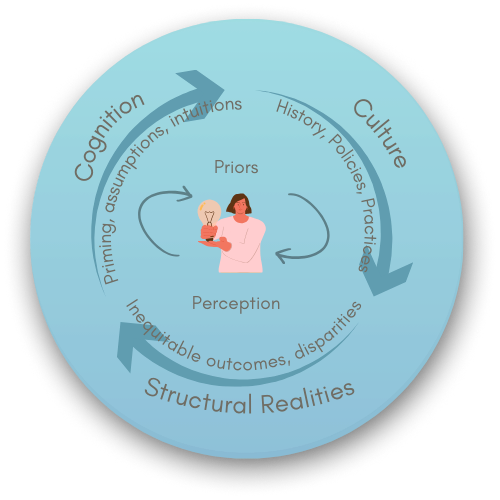
The connection between implicit bias, structural racism, and systemic oppression
Why focusing on individual bias without addressing structures maintains dysfunction
2. The Science: How Our Brains Work
The cognitive architecture behind implicit bias—how brains process information, build associations, and make quick judgments
Why these processes aren't "natural excuses" for harm but mechanisms we can design around
The difference between implicit processes and the structural consequences they enable
3. The Context: How Culture Shapes Categories
How historical and structural inequities create the content of our biases
The role of media, socialization, and everyday experiences in building harmful associations
Why implicit bias only matters because of systemic oppression—not separate from it
4. Organizational Implications: Beyond Individual Awareness
How organizations misuse implicit bias concepts (spoiler: awareness alone doesn't work)
What research actually shows about reducing bias in decision-making
Designing systems that interrupt bias: structured processes, accountability mechanisms, and environmental interventions
Moving from "fix the people" to "fix the systems people operate in"
5. Collaboration Across Difference
Practical frameworks for navigating interpersonal dynamics without leaning on implicit bias as a crutch
Building team practices that acknowledge power, create psychological safety, and support collaboration despite difference
Tools for addressing harm when it occurs—without blaming "unconscious bias" as an escape hatch